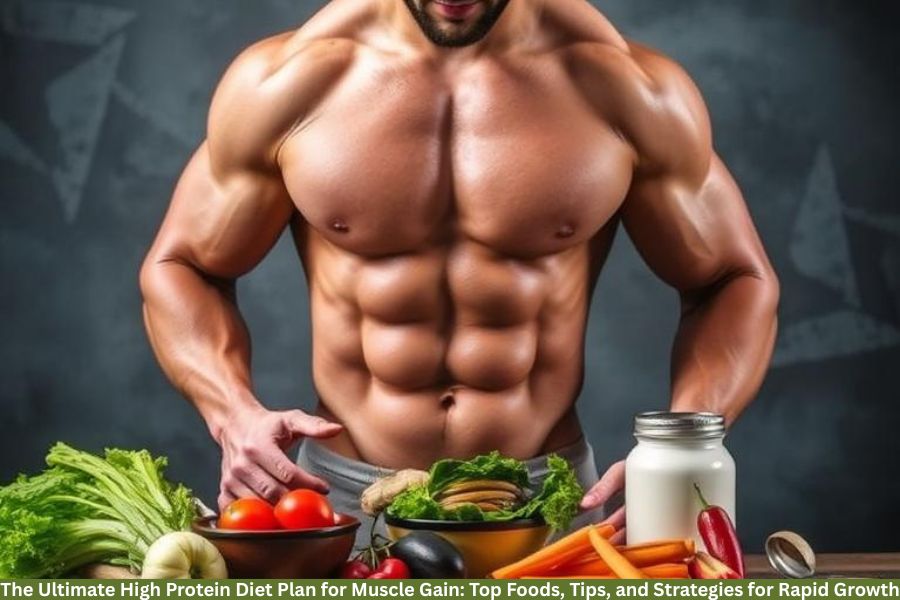
When it comes to building muscle, the role of nutrition cannot be overstated. A high-protein diet is a fundamental part of muscle gain because protein is the building block of muscle fibers. Without enough protein, your body won’t have the necessary materials to repair and grow muscle tissue after workouts. In this article, we’ll explore how a high-protein diet can help you build muscle, what protein foods are best, and how to follow effective diet plans to support your muscle growth.
Understanding Protein and Its Role in Muscle Gain
Before diving into the specifics, let’s understand why protein is so important for muscle gain.
Protein is made up of amino acids, which are the building blocks your body needs to repair and grow muscle tissue. After intense physical exercise, muscle fibers experience tiny tears. These tears heal during recovery, and the muscle grows back stronger. Without protein, your body would struggle to repair these fibers, resulting in minimal muscle gain.
Different Types of Protein Sources
There are two main categories of protein: animal-based and plant-based. Animal-based proteins, like chicken, beef, and eggs, provide all the essential amino acids your body needs. Plant-based proteins, found in foods like beans, lentils, and tofu, often require more planning to ensure you’re getting a full spectrum of amino acids. Including both in your diet can maximize your muscle-building potential.
Which Protein Food is Best for Muscle Gain?
The best protein foods for muscle gain are those that are not only rich in protein but also provide a complete profile of essential amino acids. Let’s break down some of the top options:
- Chicken Breast: A lean source of protein that’s low in fat and perfect for muscle growth.
- Eggs: Rich in protein and healthy fats, eggs are a staple in any muscle-gaining diet.
- Salmon: Packed with protein and omega-3 fatty acids, which help reduce inflammation and aid recovery.
- Greek Yogurt: A great source of both protein and probiotics, which help with digestion and gut health.
- Tofu: A high-protein plant-based option that provides all the essential amino acids.
- Lentils and Chickpeas: These are excellent plant-based protein sources, rich in fiber and perfect for vegetarians.
The 3-3-3 Rule Diet for Muscle Growth
The 3-3-3 rule is a simple yet effective guideline for structuring your diet for muscle gain. It involves consuming protein in three different stages throughout the day:
- Three meals: Each meal should contain at least 20–30 grams of protein.
- Three snacks: In between meals, have protein-rich snacks like nuts, protein shakes, or Greek yogurt.
- Three hours: Aim to consume protein every three hours to keep your body in a muscle-building state.
By spacing your protein intake throughout the day, you maintain a consistent supply of amino acids to support muscle repair and growth.
How to Bulk in 7 Days?
Bulking refers to the process of eating more calories than your body burns to promote muscle growth. While bulking is typically a longer-term process, there are ways to accelerate muscle growth in just one week.
Here’s how to get started:
- Increase Your Caloric Intake: Aim for a 500-calorie surplus above your daily maintenance level to support muscle gain.
- Prioritize Protein: Consume 1.6 to 2.2 grams of protein per kilogram of body weight each day.
- Focus on Strength Training: Focus on heavy weightlifting with compound exercises like squats, deadlifts, and bench presses to stimulate muscle growth.
- Eat Protein-Rich Snacks: Include high-protein snacks like protein shakes, boiled eggs, and lean meats throughout the day to keep protein levels high.
What Are High Protein Foods for Building Muscle?
To effectively build muscle, you need to fuel your body with the right nutrients. High-protein foods are essential for muscle growth, and here are some of the best sources:
- Lean Meats: Chicken, turkey, and lean beef provide high-quality protein with minimal fat.
- Fish: Salmon, tuna, and cod offer great protein and omega-3 fatty acids.
- Eggs and Dairy: Eggs, milk, and Greek yogurt are excellent sources of protein and also contain other beneficial nutrients like calcium.
- Legumes: Beans, lentils, and peas provide plant-based protein and are rich in fiber.
- Nuts and Seeds: Almonds, peanuts, and chia seeds are packed with protein and healthy fats.
How to Get 100% Protein Daily?
Getting 100% of your protein needs each day is key for muscle growth. Here’s how to do it:
- Track Your Intake: Use an app or food diary to track your protein intake and ensure you’re hitting your goals.
- Meal Prep: Plan meals in advance to make sure you always have protein-rich foods on hand.
- Snack Wisely: Include protein-rich snacks between meals to maintain your protein levels throughout the day.
- Protein Supplements: If needed, include whey protein or plant-based protein powders in your routine to meet your daily goals.
Sample High Protein Diet Plan for Muscle Gain
Here’s a sample meal plan to give you an idea of how to structure your day:
- Breakfast: Scrambled eggs with spinach and avocado on whole grain toast
- Lunch: Grilled chicken breast with quinoa and steamed vegetables
- Snack: Greek yogurt with almonds
- Dinner: Salmon with roasted sweet potatoes and broccoli
- Snack: Protein shake with a banana
This plan provides a balanced mix of protein, healthy fats, and carbs to support muscle growth.
Supplements to Support Your High Protein Diet
While whole foods should always be your primary source of protein, supplements can be helpful in meeting your protein goals. Here are some options to consider:
- Whey Protein: A fast-digesting protein that’s great for post-workout recovery.
- Casein Protein: A slow-digesting protein ideal for nighttime muscle repair.
- BCAAs (Branched-Chain Amino Acids): These amino acids help prevent muscle breakdown during intense training.
- Creatine: A supplement that helps increase muscle strength and endurance during workouts.
Common Mistakes in a High Protein Diet for Muscle Gain
To maximize your results, avoid these common pitfalls:
- Overeating Protein: Consuming excessive protein doesn’t necessarily lead to more muscle gain. The body can only process a certain amount of protein at a time, so focus on consistent intake rather than excess.
- Neglecting Other Nutrients: While protein is essential, don’t forget about carbs and healthy fats. A well-rounded diet that includes all three macronutrients is key for muscle growth.
- Not Adjusting for Individual Needs: Everyone’s protein needs vary depending on their age, activity level, and muscle-building goals. Be sure to tailor your diet to your unique requirements.
Conclusion
Incorporating a high-protein diet into your muscle-gaining routine is crucial for maximizing growth and recovery. By carefully choosing the right protein sources, adhering to effective diet strategies like the 3-3-3 rule, and ensuring you get adequate protein each day, you’ll set yourself up for success. Don’t forget that muscle gain is not just about protein—strength training, adequate sleep, and proper hydration are also essential components of the process.
Remember, consistency is key. Whether you’re bulking for a specific period or focusing on long-term muscle development, sticking to your diet plan, making adjustments along the way, and focusing on recovery will lead to impressive results.
Good luck, and happy lifting!
FAQs
- Which protein food is best for muscle gain?
Animal-based proteins like chicken, salmon, eggs, and lean beef are excellent for muscle gain. For plant-based options, try tofu, lentils, and quinoa. - What is the 3-3-3 rule diet?
The 3-3-3 rule involves eating protein at three different times during the day: three meals, three snacks, and every three hours to maintain a steady supply of amino acids for muscle growth. - How can I bulk in 7 days?
To bulk in 7 days, you need to increase your caloric intake with a focus on protein, engage in strength training, and ensure you’re eating every 3 hours to support muscle recovery. - What are high-protein foods for building muscle?
High-protein foods include lean meats like chicken and turkey, fish like salmon and tuna, dairy like Greek yogurt, and plant-based sources like lentils, beans, and quinoa. - How do I get 100% protein daily?
To ensure you get 100% of your protein needs, track your intake, plan meals in advance, snack wisely on protein-rich foods, and consider supplements like protein powder if necessary.