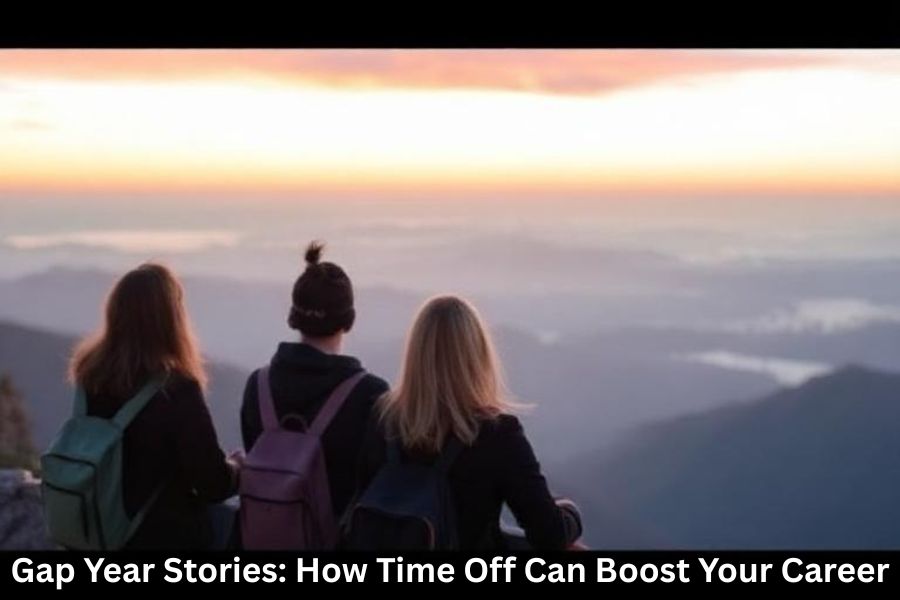
Ever wondered what would happen if you pressed pause on life for a year? For many people worldwide, taking a gap year has become a powerful tool for personal and professional transformation. It’s not about running away from responsibilities—it’s about running toward clarity, growth, and renewed purpose.
Why Gap Years Are Becoming More Common
In today’s fast-paced world, burnout is real. Students, professionals, and even entrepreneurs are choosing to step back, refresh their minds, and gain meaningful experiences. With global travel, online learning, and remote opportunities, gap years are no longer unusual—they’re empowering.
Breaking the Myth: A Gap Year Isn’t Wasted Time
Some believe a gap year means a “lost year.” But in reality, strategic time off can open doors that traditional paths can’t. You return smarter, sharper, and more self-aware.
Understanding What a Gap Year Really Means
Traditional vs. Modern Gap Years
Traditionally, gap years were mainly for students before college. Now, professionals take mid-career sabbaticals, freelancers take skill-building breaks, and entrepreneurs pause to innovate.
How Long Should a Gap Year Be?
It doesn’t have to be exactly one year. Some take 3 months, others take 18 months. What matters is how you use the time—not its duration.
What People Usually Do During a Gap Year
- Travel and cultural exploration
- Volunteering or working abroad
- Internships and apprenticeships
- Taking online or offline courses
- Creative projects or passion-based work
Real-Life Stories of Career Growth Through Gap Years
Story 1 – The Student Who Found a New Passion Abroad
Sarah left for Spain expecting a fun year, but returned with a passion for international relations. That gap year shaped her entire career path.
Story 2 – The Corporate Employee Who Returned With Leadership Skills
Rohit took a year off to work on community development projects in Nepal. He returned to his company with real leadership skills—and got promoted within months.
Story 3 – The Entrepreneur Who Launched a Startup After a Break
Julia quit her job to travel across Southeast Asia. While backpacking, she discovered a market gap and built a travel-tech startup that now employs dozens.
Story 4 – The Volunteer Who Built a Career in Social Impact
Aman’s volunteering experience in Africa gave him hands-on exposure to humanitarian issues. Today, he works full-time in global social impact programs.
How a Gap Year Can Strengthen Your Resume
Skill Development Through Global Exposure
Living in different cultures strengthens adaptability, communication, and global awareness—skills employers value highly.
Building Soft Skills That Employers Love
Gap years build:
- Confidence
- Decision-making
- Time management
- Emotional intelligence
These soft skills often matter more than technical qualifications.
Certifications, Courses & Projects That Add Value
You can return with:
- Professional certificates
- Language proficiency
- Projects or portfolios
- Volunteer achievements
These boost your resume instantly.
Career Benefits of Taking Time Off
Fresh Perspective & Renewed Motivation
Time off clears mental clutter. Many people return with sharper focus and stronger motivation.
Creative Problem-Solving Skills
Experiences outside your comfort zone force your brain to think differently. You become more innovative and resourceful.
Increased Confidence & Independence
When you navigate unfamiliar places, situations, and people, your self-confidence grows naturally.
Networking Opportunities Worldwide
You meet people from different careers and cultures—connections that often lead to opportunities later.
Smart Ways to Plan a Gap Year That Boosts Your Career
Set Clear Goals Before You Leave
Do you want to learn a skill? Travel? Volunteer? Work? Mapping your goals helps you stay productive.
Choose Activities That Align With Your Career Path
For example:
- Future doctor? Volunteer in health camps.
- Future marketer? Intern abroad.
- Future entrepreneur? Travel to discover business ideas.
Keep a Record of Your Achievements
Document everything—photos, journals, certificates, testimonials. These become powerful tools during interviews.
Managing Finances During Your Gap Year
Budgeting is essential. Plan ahead, save wisely, and track expenses to avoid stress during your break.
Turning Your Gap Year Into a Career Advantage
How to Talk About Your Gap Year in Interviews
Use the STAR method (Situation, Task, Action, Result) to explain how your experience improved your skills.
Writing Your Gap Year in Your Resume
Include:
- Skills gained
- Achievements
- Projects
- Certifications
- Volunteer work
Using Your Experience to Stand Out Professionally
Gap year experiences show maturity, courage, and initiative—traits employers immediately notice.
Avoiding Common Gap Year Mistakes
Failing to Plan Ahead
Not planning leads to wasted time. Always prepare a roadmap.
Overspending Without Tracking
Financial discipline is key to completing a gap year successfully.
Not Documenting Skills & Experiences
If you don’t document your journey, you may struggle to showcase your achievements later.
Is a Gap Year Right for You?
Questions to Ask Yourself Before Taking One
- Why do I want a break?
- What goals will I pursue?
- Can I afford it financially?
- How will it benefit my career?
When You Should Avoid a Gap Year
If you’re unsure of your purpose or financially unstable, it’s better to wait.
Conclusion
Taking a gap year is not an escape—it’s an investment. When planned with intention, it can transform your mindset, enhance your skills, and even reshape your entire career path. Whether you travel, learn, volunteer, or simply reset your life, a gap year can be the spark you need to build the future you truly want.
FAQs
1. Is a gap year only for students?
Not at all—professionals and entrepreneurs also take gap years to recharge and upskill.
2. Can a gap year hurt my career?
Only if it’s unplanned. A well-used gap year strengthens your resume.
3. What is the best age to take a gap year?
There is no “best age.” People take gap years at 18, 25, 35, and even 50.
4. How do I explain a gap year to employers?
Focus on the skills, experiences, and achievements you gained during your time off.
5. Can I earn money during a gap year?
Yes—many people do freelance work, part-time jobs, teaching gigs, or volunteering with stipends.